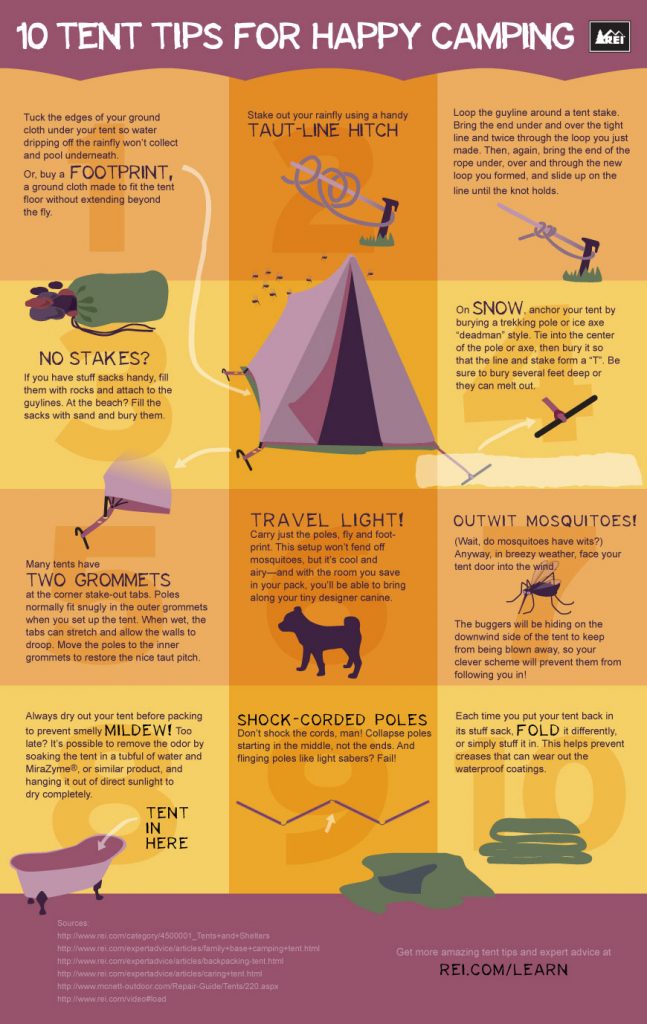
Tents with top notch textiles and additional treatments are developed to stand up versus a wide variety of weather. Yet prolonged moisture exposure can slowly wear down these materials.
Rain can saturate material, pressure seams and add-on points, and urge mold or mold if tents aren't entirely dried. Windy problems can also put stress on camping tent posts, triggering them to flex or tear along their attachment factors.
Wind
Strong winds put stress on tent surface areas and seams. Without correct resilience attributes, this pressure can loosen sewing, shift posts, or even create a partial collapse. A well-designed outdoor tents can mitigate these impacts by including aerodynamic functions that disperse wind instead of absorbing it. Calculated site placement is additionally essential to minimize exterior tension. Select areas with elevation and natural wind defense to improve air flow, while staying clear of low-lying locations or places near drain courses that may flood throughout tornados.
Tents can likewise be secured with add-ons like shielded sidewalls, increased flooring, and additional anchoring systems. These basic upgrades can aid ensure that your event proceeds smoothly despite uncertain weather condition modifications. For occasions in regions prone to frequent weather condition variations, a high-grade sailcloth tent with improved finishes and enhanced joints provides the most resilient weather condition resistance.
Rainfall
Rainfall ruined tents, affecting whatever from material toughness to architectural integrity. Heavy rain can trigger drooping and mold and mildew, specifically when the outdoor tents isn't properly dried. Pooling water can strain joints, post links, and attachment points. This can compromise the framework, creating tearing or perhaps collapse.
Long term exposure to UV rays degrade protective coatings and break down chemical bonds, decreasing fabric strength. This is particularly true of water resistant materials, which lose their water resistant score gradually.
Camping tents require to be cleansed consistently to prevent buildup of dirt, oils, and mildew, which can penetrate the fabric and weaken seam seals. A durable water repellent (DWR) treatment aids recover layers and prevent waterproofing loss. DWR treatments should be reapplied after every usage. Storage space is additionally essential- outdoors tents ought to be completely cleaned up and dried before storing, or they can develop mold and mold and mildew. Normal examinations are likewise crucial, enabling you to catch problems prior to they develop into major issues.
Sunlight
A camping tent's protective coatings are at risk to UV rays, which break down the chemical bonds that make textiles water resistant. This results in wear and tear of the fabric's fibers and decreased stamina. If not dealt with, this deterioration might additionally trigger fading or the formation of mold and mildew or mold.
For a resilient, water resistant camping tent, invest in a top quality ground cloth and rainfly. A custom-made footprint can secure the flooring of your camping tent from abrasion and does not accumulate water like common ground cloths or tarpaulins. Prevent letting your outdoor tents and rainfly established in straight sunshine for extended durations.
Reapply a water resistant spray regularly to strengthen the resistance of your outdoor tents to wetness. Be sure to pick a therapy that's specifically created for all-natural canvas guy lines and the conditions in your region. Likewise, remember to dry your tent entirely prior to stuff-sacking it for storage to stop condensation and mold.
Temperature
A camping tent's shape and insulation alternatives influence its ability to stand up to various weather conditions. For instance, dome-shaped outdoors tents much better deflect wind and can stand up to higher gusts than A-frame outdoors tents. Also, high-grade insulation stops warmth loss while likewise providing convenience in temperature extremes.
Rainwater that accumulates on a camping tent's surface area puts pressure on seams, stress factors, and accessory locations. This tension can damage these points and cause structural problems like drooping or tearing in time.
Consistently reapplying water resistant therapies helps preserve an outdoor tents's durability. Adhere to the treatment's directions and use it evenly throughout the fabric. Pay special interest to high-stress locations, such as zippers and door flaps. Then, enable the outdoor tents to dry entirely in a shaded, well-ventilated location before keeping it. Doing this aids guarantee a water-proof tent and minimizes the threat of mold, mold, and various other damaging fungi.